
Import Logistics for Paper Products, Port to Dock
Import logistics for paper products does not stop when a container clears customs. It continues until product reaches your dock on a usable schedule. Offshore coordinates container drayage from port, warehousing, and onward delivery, so heavy items like parent rolls and palletized cases arrive on a schedule that matches your own inventory and production planning.
Port to Warehouse Delivery
Once a container clears customs, it has to move off the port, through container drayage, to a warehouse or directly to you. Offshore coordinates this step so a cleared container does not sit accumulating demurrage and detention charges while a truck is arranged after the fact.
For heavy or bulky freight, parent rolls in particular, this coordination has to account for weight limits, unloading equipment, and warehouse receiving capacity, which is different planning from a container of cartoned foodservice packaging or dispensers.
Warehousing and Timing
Where you need product staged rather than delivered all at once, whether to match a converting schedule, a seasonal demand curve, or limited dock space, Offshore arranges warehousing and phased release rather than requiring you to take a full container in one delivery.
This matters for converters running parent rolls into their own production schedule, and for distributors who do not want months of inventory landing on a single date.
One Process From Ocean Freight to Dock
Logistics is the last link in a chain Offshore manages from the first spec conversation: development, sourcing, quality control, import management, and delivery from ocean freight through container drayage to final drop-off. Because one company has carried the product through every step, a delivery problem gets traced back to its actual cause, a factory packing error, a documentation issue, or a carrier delay, instead of becoming a dispute between vendors who each only saw one piece of the shipment.
Where logistics matters most
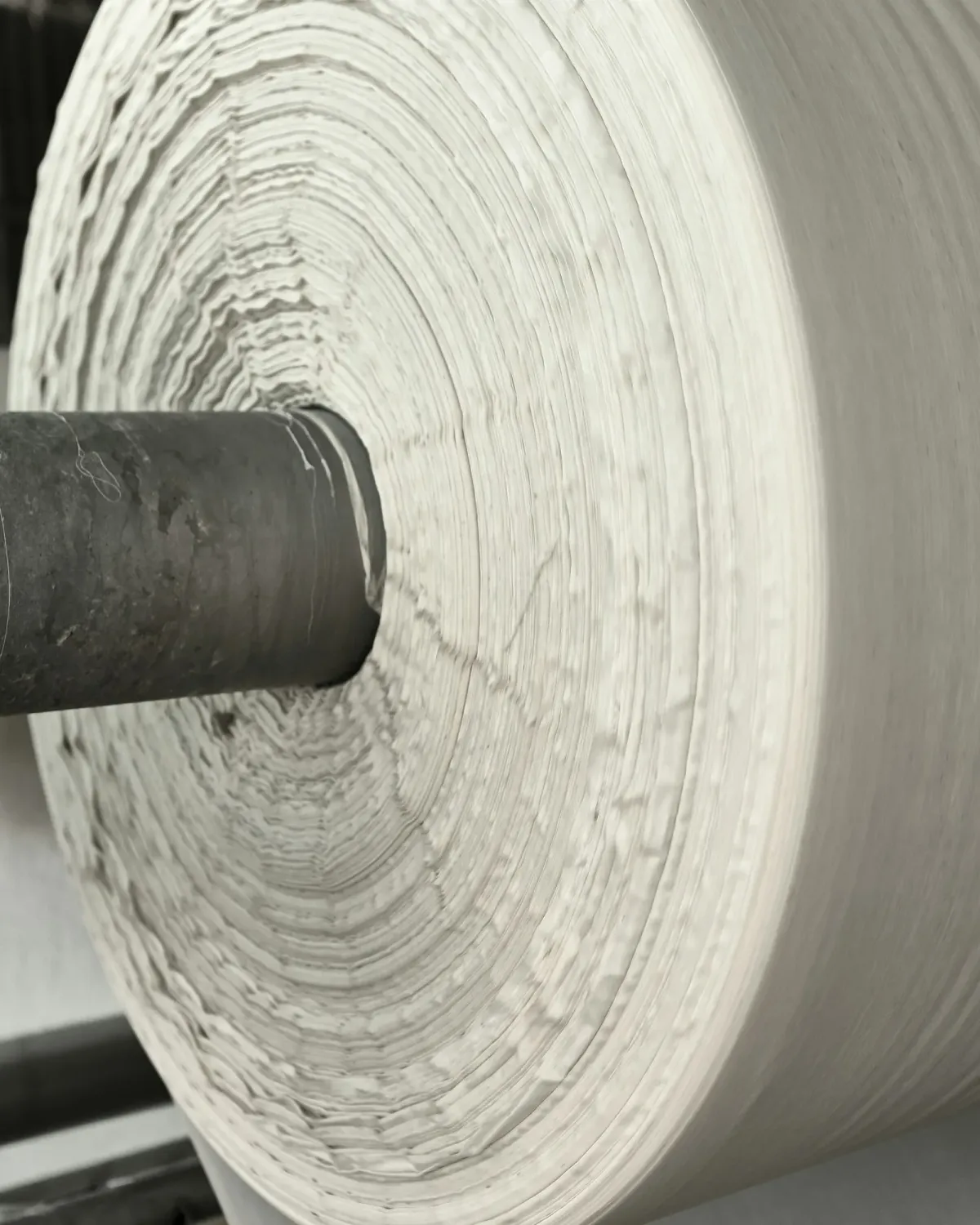
Paper Parent Rolls
Jumbo tissue and towel reels for converters, made to your basis weight, width, diameter, core and fiber, and inspected before they ship.
Data sheet
Commercial & Retail Towel and Tissue Finished Goods
Hardwound and folded towels, bath tissue, napkins and more, sourced, sampled and imported for converters, distributors, retailers and facilities.
Data sheet
Food Service Packaging & Disposables
Cups, lids, containers, cutlery and bags in paper, PLA, PET, PP or bagasse, sourced and inspected for foodservice buyers.
Data sheet
Proprietary Dispenser Systems
Dispensers paired with matching refills that only fit your system, so your customers keep buying from you.
Data sheetCommon questions
Does Offshore handle the trucking itself?
Offshore coordinates container drayage, warehousing, and delivery through its logistics partners, managing the process on your behalf rather than requiring you to arrange separate carriers after customs clearance.
Can a shipment be split or staged instead of delivered all at once?
Yes. Offshore arranges warehousing and phased release when you need product timed to a production schedule, seasonal demand, or limited receiving space, rather than delivering one full container on a single date.
What happens if there is a delay after customs clears the shipment?
Because Offshore manages the shipment from factory through delivery, a delay gets traced to its actual cause and resolved by the same team that has handled your order throughout, rather than becoming a dispute between separate vendors.
Does import logistics for paper products include the ocean freight leg?
Yes. Ocean freight is booked as part of every program Offshore produces and delivers. Offshore is not an ocean carrier or freight broker, so we don’t ship goods we didn’t produce.
Is logistics available on its own, without sourcing through Offshore?
No. Logistics is part of a complete Offshore program, covering products we develop, source, inspect and import. That’s how one team stays accountable from the factory floor to your dock.
Your products. Our global network.
Share your specification, and we'll show you what Offshore Products can deliver, from sourcing plan to landed price.