Paper Product Development for U.S. Importers
Paper product development for importers starts before a factory is ever chosen. Offshore turns your idea, sample, or a competitor's product into a written specification a factory can quote and build against. You keep control of the brand and the price target, and we manage the technical work in between, including sample approval before you commit to a production run.
Turning a Sample or Idea Into a Spec Sheet
Most projects start with something informal: a physical sample, a photo of a competitor's item, a target price point, or a rough description of what you're asking for. Offshore's team reviews the material, weight, ply or fiber, dimensions, print, and packaging, and writes it up as a spec sheet a factory can actually quote against. For napkins and printed items this includes ply count, fold style, embossing, and print colors and coverage. For parent rolls it includes basis weight in gsm, width and diameter in inches, core size, and fiber content.
You hand over the sample or the brief and your price target. What comes back is a written specification document and, where useful, a sourcing recommendation on which factories and origins fit the project. This step is where most quality problems get prevented, because a vague spec is the most common reason a finished order does not match what you pictured.
Prototyping and Sample Approval
Once a spec is set, Offshore coordinates pre-production samples from candidate factories so you can approve color, print registration, material feel, absorbency, or strength before a production run is committed. Samples get compared against the original spec, and against each other when more than one factory is in the running.
This is also where dispenser compatibility gets checked for towel, tissue, and napkin products, and where food contact material questions get raised for foodservice packaging, so you are not discovering a fit or compliance problem after the order has shipped.
Private Label Product Development
For distributors and retailers building a private label line, or converters adding a new SKU to an existing range, Offshore applies the same process to a full line rather than a single item, matching pack sizes, case configurations, and print consistency across a range of related products.
The output is a set of approved specs and samples you can hand to purchasing as a finished, sourceable package, with Offshore staying as the technical point of contact through the first production run.
Where product development matters most
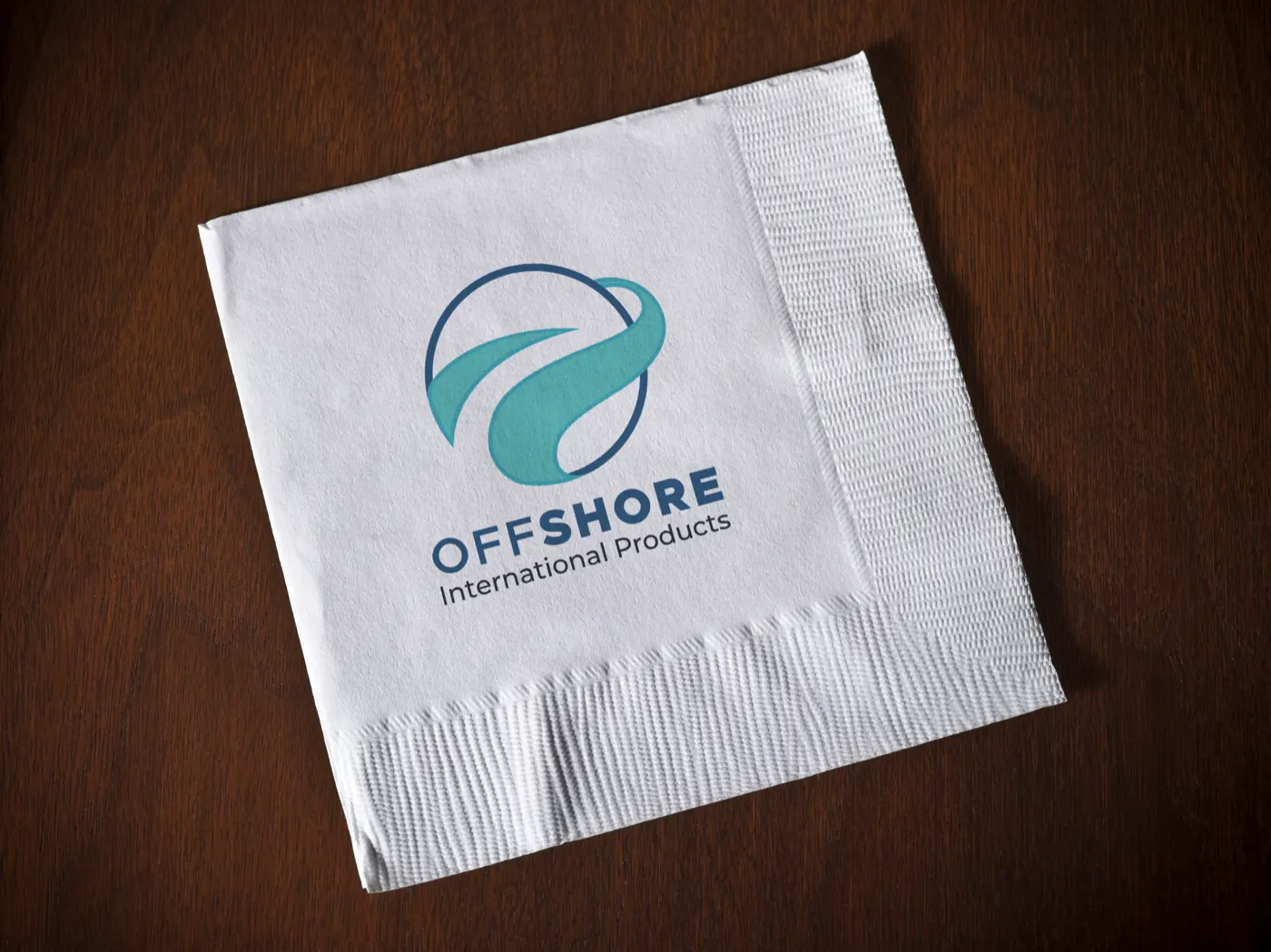
Custom Printed Napkins
Your logo or design on napkins in the ply, fold and size you need.
Data sheet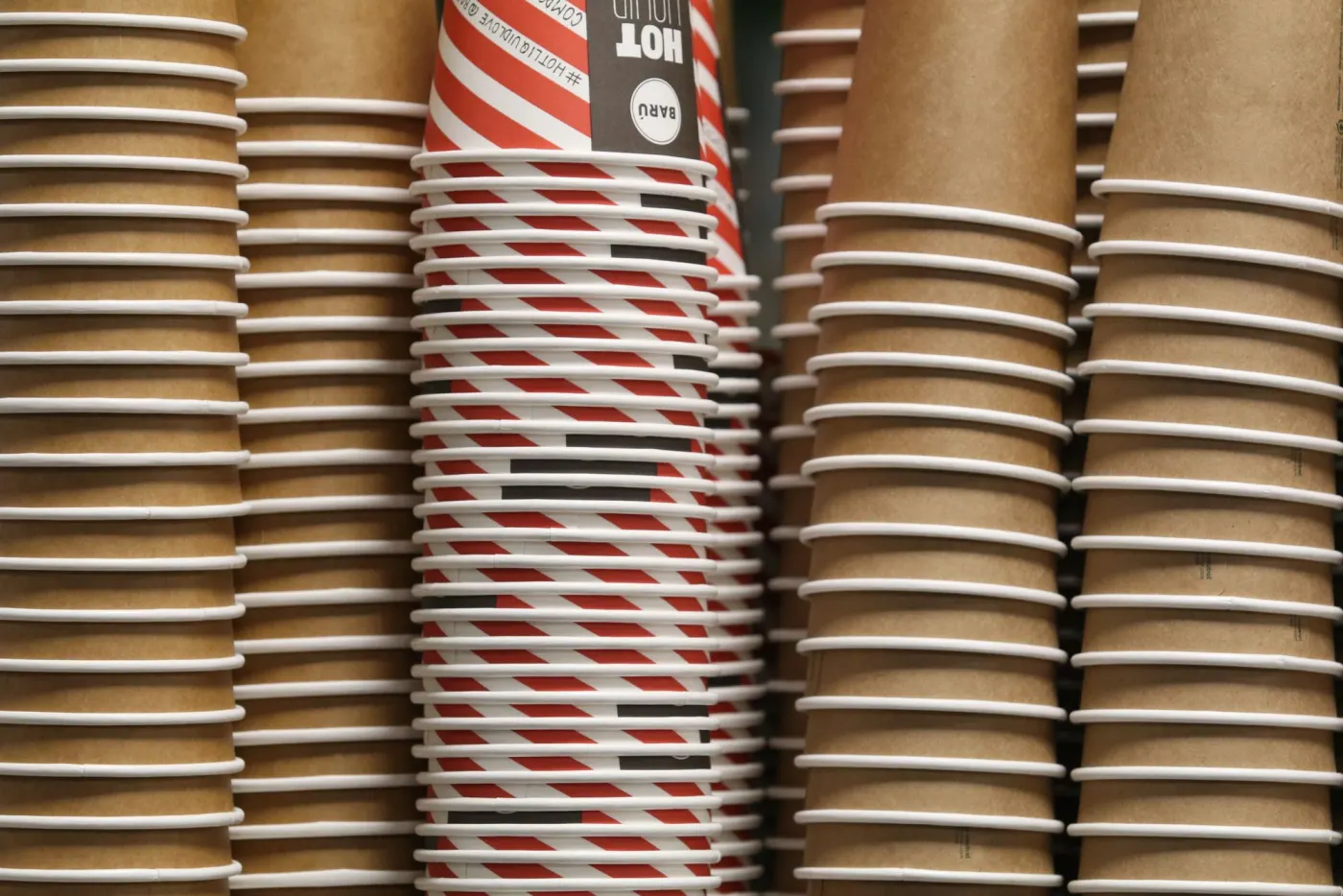
Food Service Packaging & Disposables
Cups, lids, containers, cutlery and bags in paper, PLA, PET, PP or bagasse, sourced and inspected for foodservice buyers.
Data sheet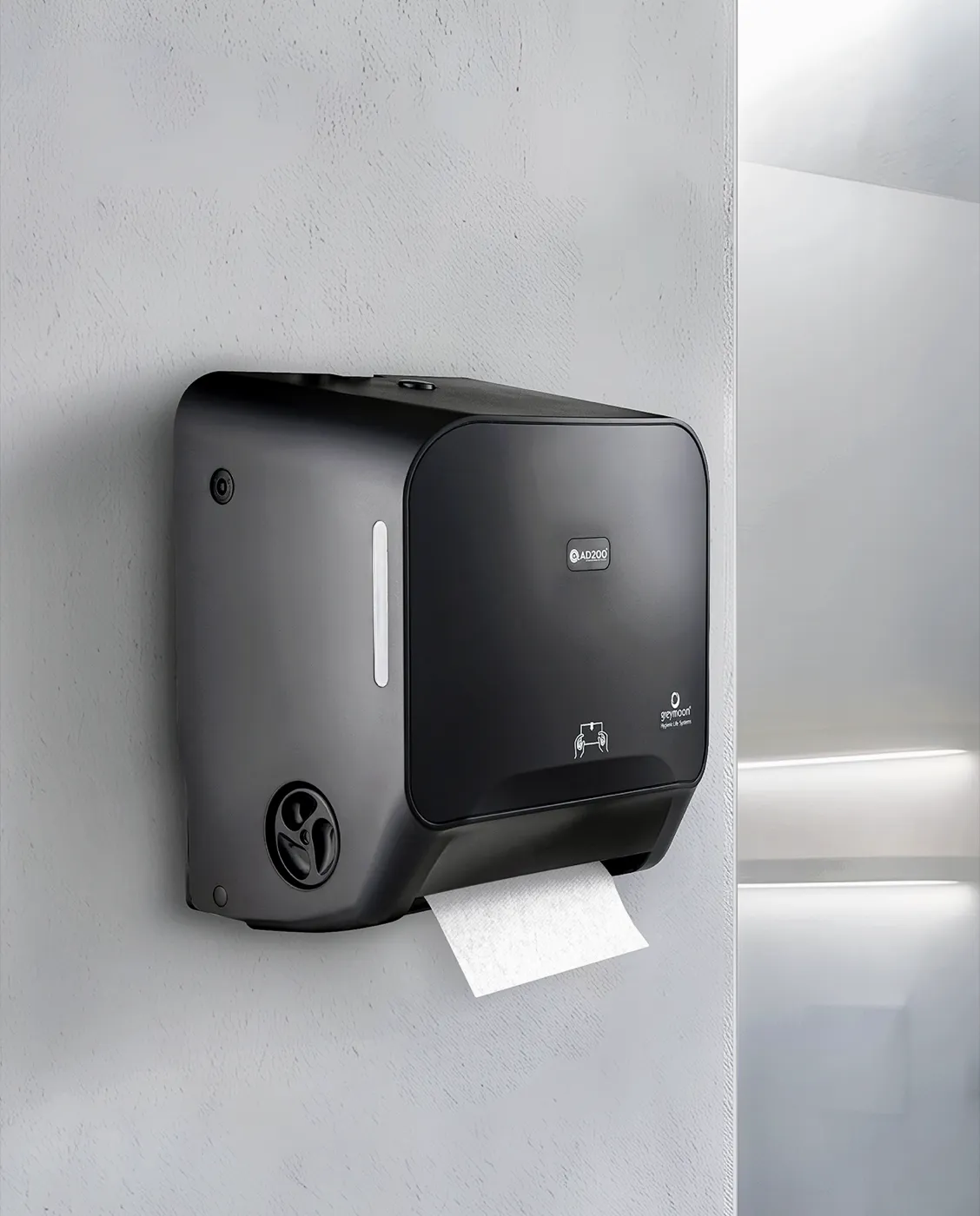
Proprietary Dispenser Systems
Dispensers paired with matching refills that only fit your system, so your customers keep buying from you.
Data sheet
Commercial & Retail Towel and Tissue Finished Goods
Hardwound and folded towels, bath tissue, napkins and more, sourced, sampled and imported for converters, distributors, retailers and facilities.
Data sheetCommon questions
Do I need a finished spec sheet before contacting Offshore?
No. Many projects start with a sample, a photo, or a rough description of what you want. Offshore's role is to turn that into a spec sheet a factory can quote and build against.
Who owns the product spec once it is developed?
You do. Offshore develops the spec as part of the sourcing engagement, and you keep it for future orders and any change in supplier.
Can Offshore handle private label product development for a full line, not just one item?
Yes. Offshore applies the same spec and sample process across a full private label range, so pack sizes, print, and materials stay consistent across the line.
How does product development connect to quality control later?
The approved spec and sample become the reference point once production starts. Anything found during quality control gets checked against the spec agreed at this stage.
Guides that cover product development
Hardwound vs Multifold Paper Towels: Which AFH Format Fits
Compare hardwound, multifold, C-fold, centerpull and touchless paper towel formats: dispenser fit, cost per hand dry, hygiene and case pack sizes.
Read the articleCustom Printed Napkins: Artwork, Print and Spec Guide
Custom printed napkins explained: types, sizes, folds, print methods and artwork specs, so you can build a spec and order with fewer surprises.
Read the articlePrivate Label Paper Towels and Tissue: A Distributor's Guide
How distributors and retailers build private label paper towels and tissue: margins, tiers, sourcing routes, U.S. packaging rules, and a launch checklist.
Read the articleYour products. Our global network.
Share your specification, and we'll show you what Offshore Products can deliver, from sourcing plan to landed price.