
Import Management Services for Paper Products
Import management services for paper products cover classification, documentation, and customs clearance, the parts of a shipment that have nothing to do with the factory. Offshore prepares HTS classification and coordinates entry through a licensed broker, working within the importer-of-record rules CBP requires, so your container clears without a compliance surprise. Paper products fall under HTS chapter 48, where misclassification is a common cause of delay.
Documentation and Classification
Every shipment needs a commercial invoice, packing list, and bill of lading that match the product actually being shipped, along with an Importer Security Filing submitted before the cargo loads. Offshore prepares and checks this paperwork against your purchase order and the factory's production records, rather than leaving you to reconcile a factory's documents after the fact.
HTS classification determines the duty rate and whether any additional requirements apply. Getting this wrong on HTS chapter 48 paper products, or on the varied materials used in foodservice packaging such as PLA, PET, PP, or bagasse, can mean an incorrect duty payment or a held shipment. Offshore works through classification before the shipment leaves origin, not after a customs hold forces the question.
Importer of Record and Customs Entry
U.S. customs law requires every commercial shipment to have an importer of record, the party responsible for the shipment's duties, entry, and compliance. Offshore works alongside a licensed customs broker to keep that structure clear from the outset, coordinating the entry filing with your shipment's actual documentation and classification.
Applicable duties and tariffs are calculated based on classification and country of origin, so you have visibility into landed cost before the container leaves port, not after, whatever incoterm your purchase order is quoted under, FOB, CIF, or DDP. Because Offshore is your single point of contact for this process, questions from the broker or from customs get resolved directly, without you being pulled into a conversation with an overseas party or a broker you have never dealt with before.
One Counterpart, Not a Chain of Handoffs
A freight forwarder moves a box between two points you already specify. Offshore takes responsibility for the product spec, the factory relationship, the inspection, and the paperwork as one connected process, so if something does not match on arrival, there is one company accountable for the answer, not a chain of separate vendors to sort through.
This matters most when something goes wrong: a documentation mismatch, a classification question, or a delay at port. You call one number and get an answer, rather than tracking down which link in the chain is responsible.
Where import management matters most
Paper Parent Rolls
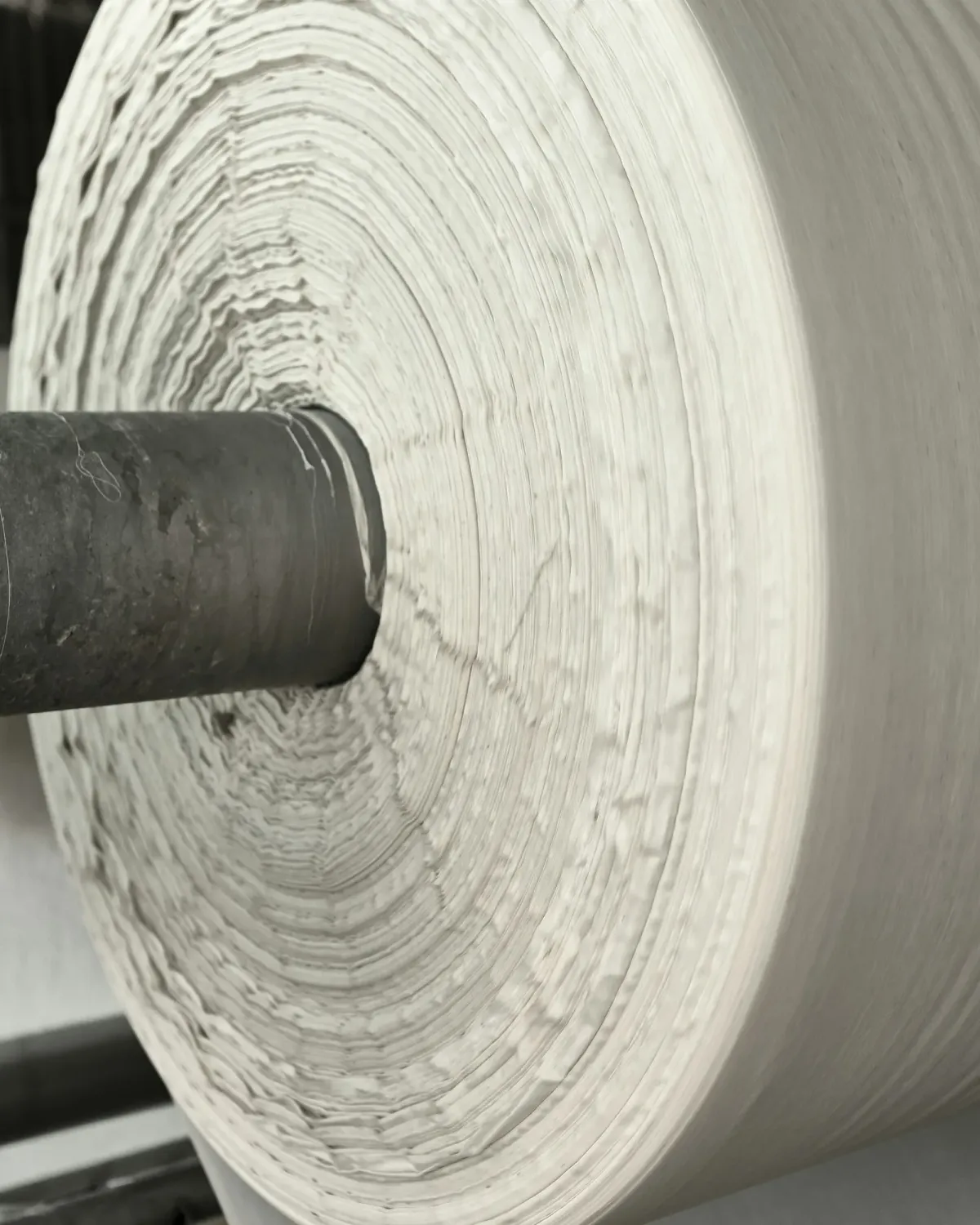
Jumbo tissue and towel reels for converters, made to your basis weight, width, diameter, core and fiber, and inspected before they ship.
Data sheet
Commercial & Retail Towel and Tissue Finished Goods
Hardwound and folded towels, bath tissue, napkins and more, sourced, sampled and imported for converters, distributors, retailers and facilities.
Data sheet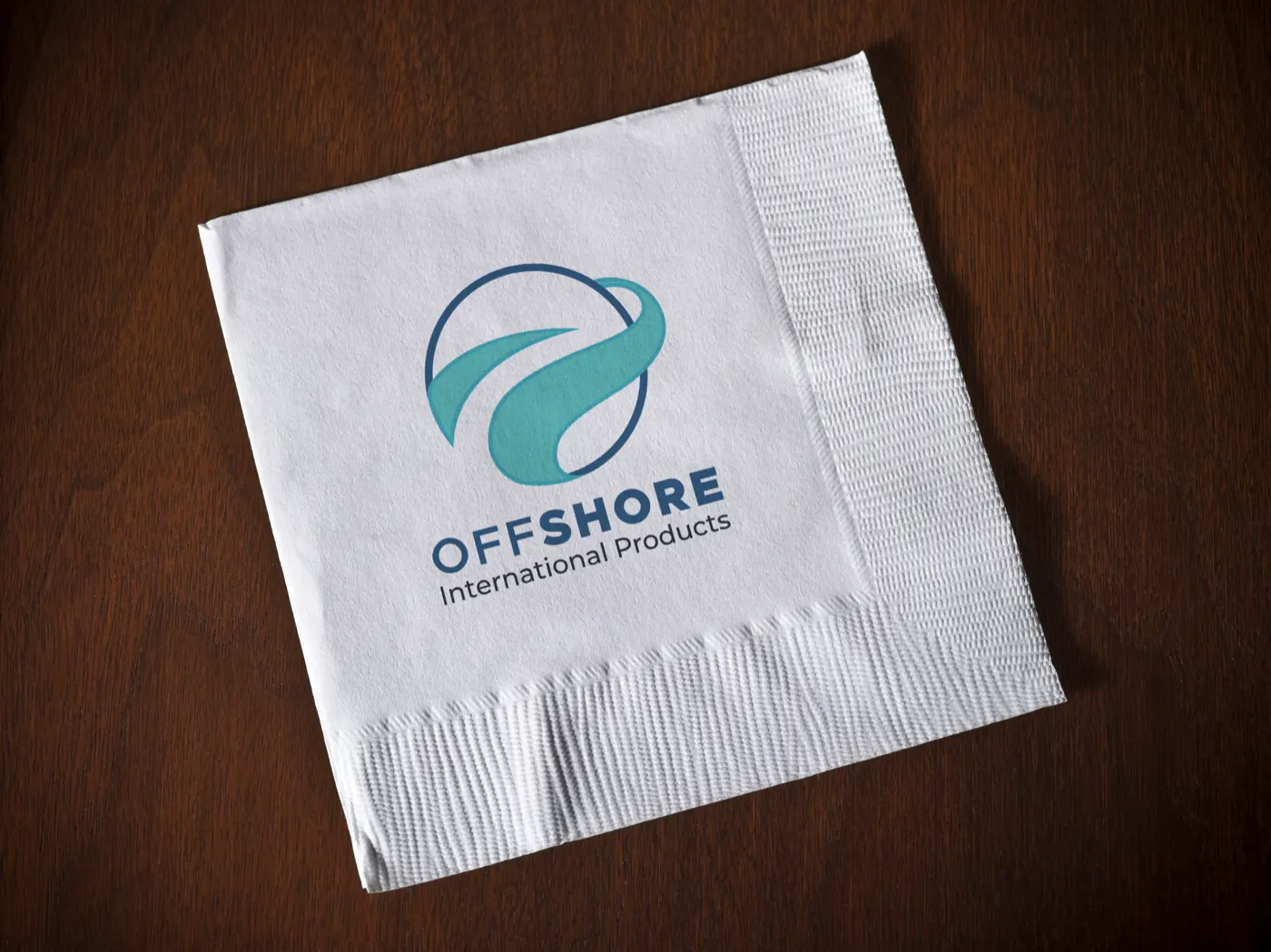
Custom Printed Napkins
Your logo or design on napkins in the ply, fold and size you need.
Data sheet
Food Service Packaging & Disposables
Cups, lids, containers, cutlery and bags in paper, PLA, PET, PP or bagasse, sourced and inspected for foodservice buyers.
Data sheetCommon questions
What do import management services for paper products actually include?
HTS classification, document review, and customs entry through a licensed broker, covering the compliance side of a shipment separate from sourcing the product itself.
Who is the importer of record on my shipment?
U.S. customs requires every shipment to have a designated importer of record, the party responsible for duties and compliance. Offshore coordinates the classification and entry process alongside your licensed broker so that role and its requirements are clear before the container ships.
How long does customs clearance take for a container of paper towels?
Clearance time depends on the port, the broker, and whether documentation and classification are correct going in. Offshore prepares classification and paperwork before the shipment departs origin, which is the biggest factor in avoiding an unplanned hold.
What happens if a product is misclassified?
Misclassification can mean the wrong duty rate is paid or a shipment gets held at port for review. Offshore works through the correct HTS code, chapter 48 for most paper products, before the shipment departs.
How is this different from using a freight forwarder?
A freight forwarder typically moves the shipment between two points you already arranged. Offshore takes responsibility for the spec, the factory, the inspection, and the paperwork as one process, so one company is accountable end to end.
Guides that cover import management
Hardwound vs Multifold Paper Towels: Which AFH Format Fits
Compare hardwound, multifold, C-fold, centerpull and touchless paper towel formats: dispenser fit, cost per hand dry, hygiene and case pack sizes.
Read the articleHow to Import Paper Products Into the US: A Distributor's Guide
How to import paper products into the US: importer of record rules, HTS chapter 48 codes, customs bonds, ISF filing and duties, verified against CBP and USITC.
Read the articleLanded cost explained: comparing an import quote to a domestic price
Every cost line behind the landed cost of imported paper products, from factory price to drayage, so you can compare an import quote to a domestic price.
Read the articleYour products. Our global network.
Share your specification, and we'll show you what Offshore Products can deliver, from sourcing plan to landed price.