
Product Sourcing from Asia and Europe
Product sourcing from Asia means matching a defined spec to the right mill, not the cheapest one. Offshore draws on supplier relationships across Asia and Europe to select factories that are able to produce a given item at the volume and quality you require. You get one landed price from a partner who has already vetted the production partner.
Matching Your Spec to the Right Production Partner
With your spec in hand, Offshore identifies which production partners are equipped to produce it. That depends on the product category (towel and tissue, non-woven wipers, napkins, parent rolls, foodservice packaging or dispensers) and on the fiber, format or material involved, necessary equipment, certifications, compliance to our quality demands, location, and many other factors.
You share the spec along with your volume and price targets. Offshore compares qualified production partners on price, minimum order, lead time and packing, selects the best fit for your program, and comes back with one landed price covering product, freight, duties and delivery.
Sourcing Agent vs. Import Management
A sourcing agent typically finds a supplier, adds a commission, and steps back once a deal is made. Offshore works as your import partner, handling all communication with production partners directly so you are not chasing multiple overseas contacts across time zones and languages. This includes answering spec questions a mill raises, renegotiating when terms don’t fit, and flagging when a partner’s answers suggest a capability gap.
This is one of the clearest differences between Offshore and a sourcing agent, freight forwarder or online trading marketplace. Offshore negotiates and vets on your behalf, then carries the product through inspection, import and delivery to your door, rather than just moving a box after the deal is done.
Supplementing Existing Supply
You may already have a domestic or overseas supplier and come to Offshore to add a second source, cover a product line your current supplier doesn’t make, or add capacity during a supply crunch. Offshore builds this as a full program like any other, matching the import item so that it seamlessly integrates into your existing product. We ensure you are placed with the right production partner without disrupting your existing supply relationships.
Because Offshore already works with production partners across multiple countries, this is often faster than starting a new supplier search from scratch. The new source goes through the same spec and sample process as your original product, and the same team inspects, imports and delivers it.
Where product sourcing matters most

Commercial & Retail Towel and Tissue Finished Goods
Hardwound and folded towels, bath tissue, napkins and more, sourced, sampled and imported for converters, distributors, retailers and facilities.
Data sheet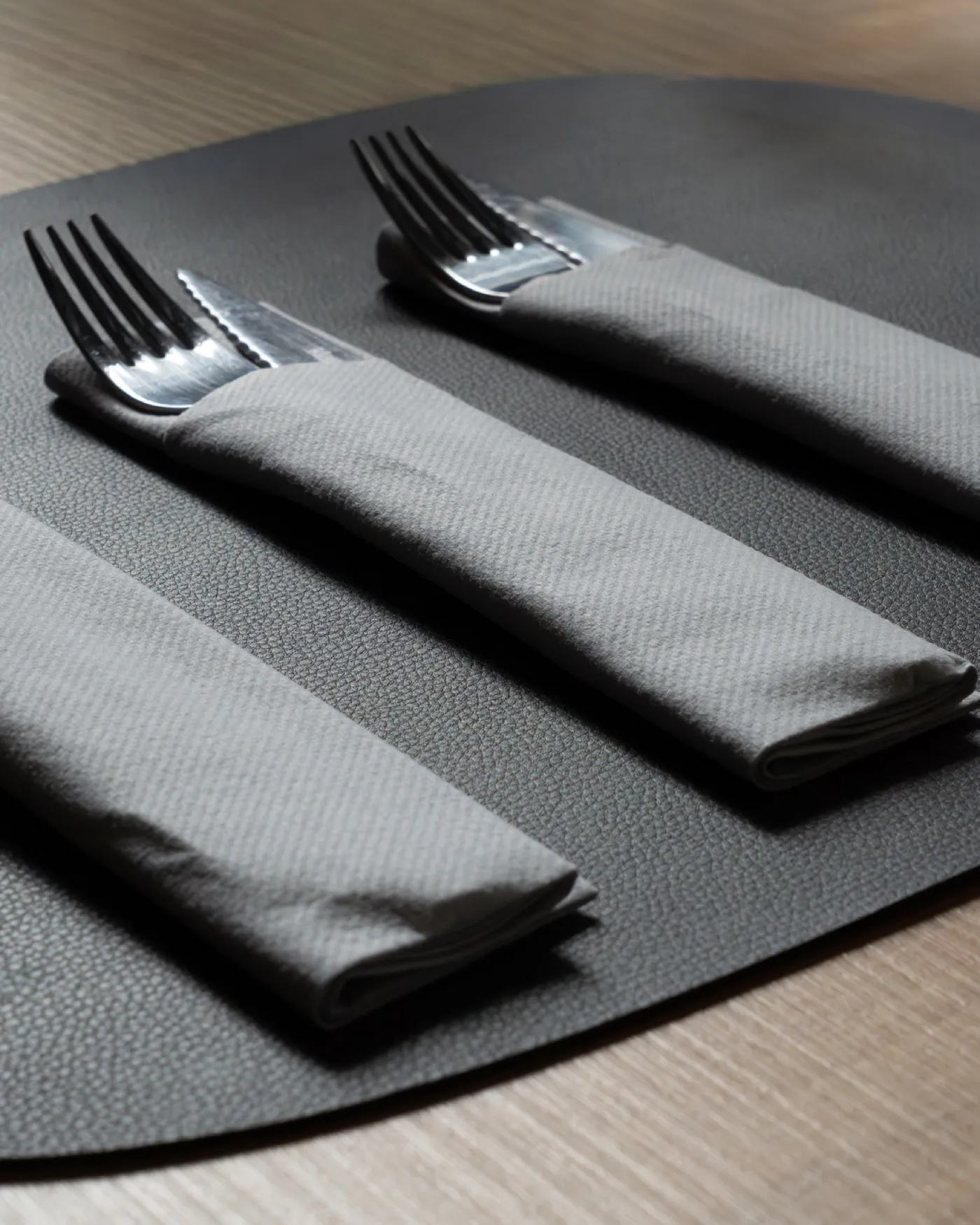
Airlaid & Non-Woven Products
Linen-like napkins with the look and feel of cloth, plus spunlace, airlaid, viscose and meltblown wipers in rolls, flat packs and interfolds. One material family, one supply partner.
Data sheet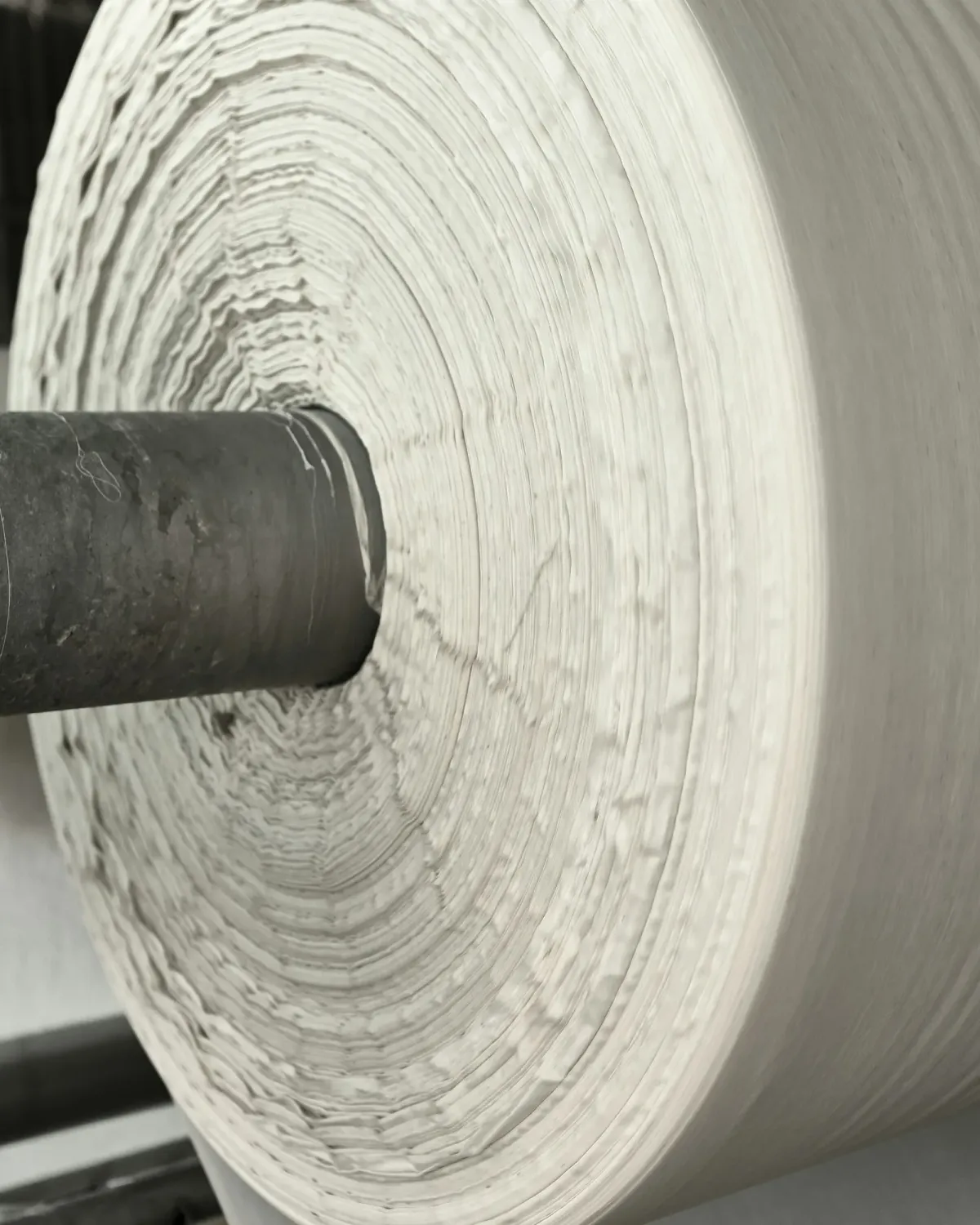
Paper Parent Rolls
Jumbo tissue and towel reels for converters, made to your basis weight, width, diameter, core and fiber, and inspected before they ship.
Data sheet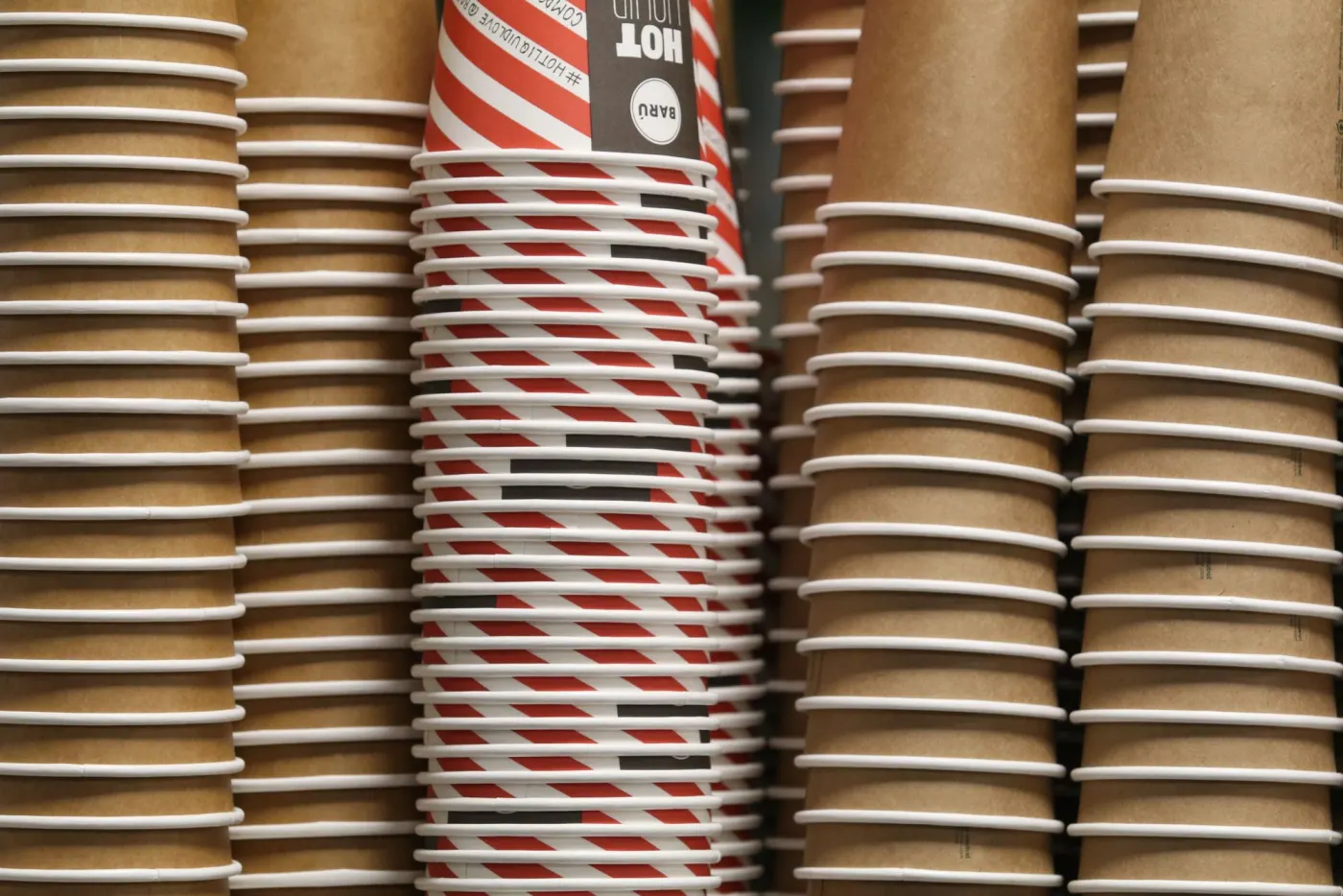
Food Service Packaging & Disposables
Cups, lids, containers, cutlery and bags in paper, PLA, PET, PP or bagasse, sourced and inspected for foodservice buyers.
Data sheetCommon questions
How is paper product sourcing from Asia different from browsing a marketplace myself?
A marketplace lists suppliers. It doesn’t identify actual producers versus trading companies, vet them for product line and market understanding, vet them against your spec or negotiate on your behalf. Offshore matches your spec to production partners it already knows and has a history of success with, handles product development, pricing and negotiation, and takes responsibility for the outcome through delivery.
What is the difference between a sourcing agent and an import partner?
A sourcing agent typically stops at the introduction. Offshore works as your import partner, staying with your program through negotiation, quality control, customs and delivery.
Can Offshore source a second supplier alongside one I already use?
Yes. This is a common reason to work with Offshore, whether you want to add capacity, cover a product line or build a backup source. The new source runs as a full Offshore program, with the same spec, vetting, inspection and import process as any other.
Which countries does Offshore source tissue and other paper products from?
Offshore works with production partners across Asia and Europe, depending on the product category and specification. Additionally, we have personnel available to explore global sources to ensure competitiveness and capabilities.
What do I need to provide to get a quote?
A spec or sample is the starting point. If you don’t have a full spec yet, Offshore’s product development process can create one first. Either way, the quote you receive is a landed price.
Guides that cover product sourcing
Quality Control for Imported Paper Products: AQL and PSI Explained
Quality control for imported paper products explained: factory audits, AQL sampling, pre-shipment inspection, defect classes, and container loading checks.
Read the articleTariffs on Imported Paper Products in 2026: What Buyers Need to Know
How tariffs on imported paper products stack in 2026, from HTS duty through Section 301 and antidumping orders, with a source and date behind every figure.
Read the articleTissue parent rolls explained: how converters specify them
Tissue parent rolls explained: basis weight, fiber, crepe and dimensions, and how converters write a specification sheet a mill can actually quote.
Read the articleYour products. Our global network.
Share your specification, and we'll show you what Offshore Products can deliver, from sourcing plan to landed price.